
An independent handbook
Caps and hats, worn in and well kept.
Ripped Lids is a plain-language handbook about the lids on our heads: how sizing and fit work, what the parts of a cap are called, what hats are made of, how ripped and faded finishes are produced, and how to clean and store a hat without ruining it. It is not a shop. There are no brands, prices or buying links here.

- CrownThe part that covers the head, often sewn from six panels.
- ButtonThe covered disc where the panels meet on top.
- PeakThe stiff front projection, also called the bill or visor.
- SweatbandThe inner band that touches your forehead and gets dirtiest.
- ClosureThe strap, snap or stretch band that sets the size.
The handbook
Seven chapters, from fit to storage
Each chapter stands on its own. Read them in order for the whole picture: get the fit right, learn the parts and the fabrics, understand the distressed look, then clean and store your hats so they last.
-
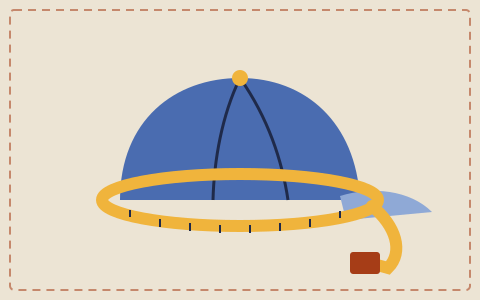
Chapter 01
Hat sizing and fit: measuring your head and reading a size
Measuring your head, reading a size and judging fit.
-
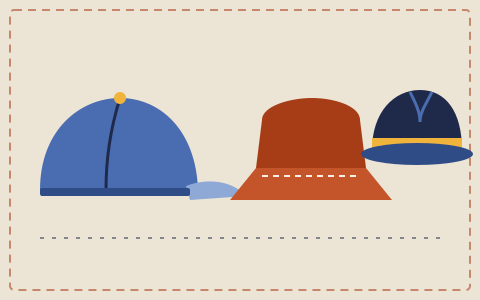
Chapter 02
Cap and hat styles, and the names of their parts
Crown, peak, panels and band, then the common styles.
-
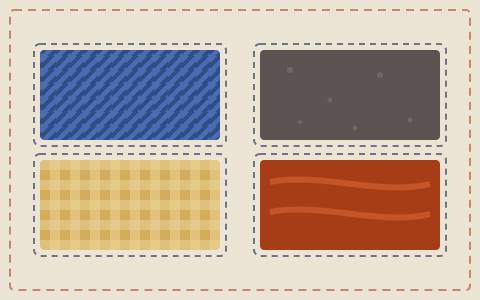
Chapter 03
Hat materials and fibres: what your lid is made of
How cotton, denim, wool, felt, synthetics and straw behave.
-
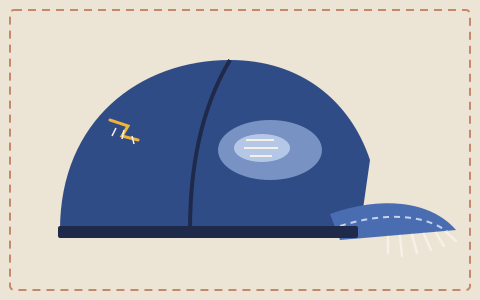
Chapter 04
Distressed finishes: how ripped and worn-in caps are made
How fraying and fading are made, and how to care for them.
-
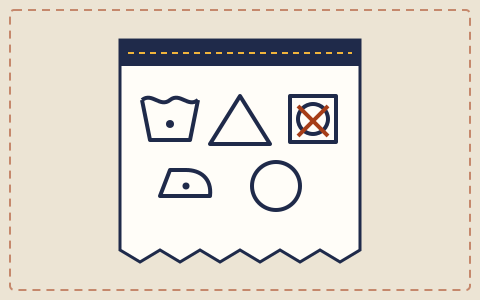
Chapter 05
Care labels and symbols: reading the tag inside a hat
The five symbol shapes, and what to do with no tag.
-
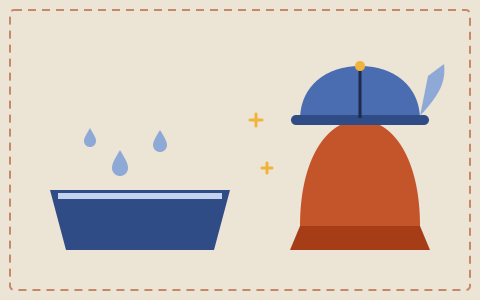
Chapter 06
Cleaning caps and hats without ruining their shape
Spot cleaning, hand washing and drying in shape.
-
How this handbook is made
Sourced where it can be, careful where it cannot
Hat care is full of confident tips that nobody has checked. This handbook takes a slower approach: facts about fibres, care labels, light, damp and pests are drawn from regulators, conservation bodies and university extension programmes, and each chapter names the documents it relies on. Practical tips that are not tied to a source are labelled as general practice.
- Named sourcesFibre and care-label facts come from bodies such as the US Federal Trade Commission, the Canadian Conservation Institute and the University of California's pest management programme.
- Gentlest method firstEvery cleaning suggestion starts with the least risky option and says when to stop and ask a specialist.
- Nothing for saleNo shop, no brands, no prices, no affiliate links, no tracking scripts.
Before you wash anything
Many hats have no care label, and that is allowed.
US care-labelling rules treat items worn only on the head as outside their scope, so a cap with no washing instructions is normal. The care labels chapter explains what to look for when there is a label and how to decide when there is not.